Friday, February 28, 2025

Wondering How Much Cash You REALLY Need to Become a Homeowner?


For many aspiring homeowners, the biggest question is, “How much do I need to save to buy a home?” While the answer depends on various factors, breaking it down into clear components can help you plan your savings and make homeownership more achievable.

Here’s a step-by-step guide to understanding the savings needed to confidently purchase a home priced at $420,000.

1. Minimum Down Payment The down payment is the first major savings milestone. Many buyers are pleasantly surprised to learn that you don’t need a 20% down payment to buy a home. In fact, with many loan programs, you can get started with as little as 3% of the purchase price.

For a $420,000 home, 3% comes out to $12,600. This amount is your entry point into homeownership. However, if you can save more than the minimum, you’ll benefit from smaller monthly payments and potentially lower mortgage insurance costs. Think of the 3% as the starting line, but aim to go beyond if possible.

2. Closing Costs Many buyers overlook closing costs, but they’re an essential part of your savings plan. These costs typically range from 2% to 5% of the purchase price, with 3% being a common estimate.

For a $420,000 home, closing costs would amount to another $12,600. This includes expenses such as loan origination fees, title insurance, appraisal fees, and more. While some of these costs can be negotiated or even covered by the seller in certain cases, it’s wise to budget for the full amount to avoid surprises.

3. Emergency Fund (Highly Recommended) While not technically required to purchase a home, having an emergency fund is highly recommended to ensure financial stability. Homeownership comes with unexpected expenses, from repairs to fluctuating utility bills. An emergency fund acts as a safety net, giving you peace of mind and security.

Financial experts suggest saving 3 to 6 months’ worth of mortgage payments as your emergency fund. For a $2,500 monthly mortgage, this amounts to at least $7,500. Building this cushion ensures that you’re prepared for life’s uncertainties, from unexpected repairs to changes in income.

4. Your Total Savings Plan Let’s add it all up to see what you’ll need to save for a $420,000 home:

  • Down payment: $12,600+
  • Closing costs: $12,600+
  • Emergency fund: $7,500+

Grand Total: $32,700+

This amount represents the minimum savings needed to step into homeownership confidently. Keep in mind that saving more will always put you in a stronger financial position. Extra funds can help cover moving expenses, home improvements, or even give you a head start on furnishing your new space.

5. Tips to Build Your Savings Faster Now that you know your savings target, here are a few strategies to help you reach your goal:

  • Automate Your Savings: Set up a dedicated savings account for your homeownership goal and automate regular contributions. Even small, consistent deposits add up over time.
  • Cut Unnecessary Expenses: Review your budget for areas where you can trim spending. Redirect those funds toward your savings plan.
  • Look Into Assistance Programs: Many states and organizations offer down payment assistance programs or grants for first-time homebuyers. Research what’s available in your area to potentially lower your out-of-pocket costs.
  • Pick Up a Side Hustle: Consider taking on freelance work, part-time jobs, or selling unused items to boost your income and speed up your savings timeline.

Did You Find This Helpful? Planning your homeownership journey doesn’t have to be overwhelming when you break it down step by step. If you found this guide helpful, don’t forget to share it with someone who’s thinking about buying a home.


If you need help buying or selling in Maryland contact me anytime!

Sean Tavalozzi
Cell: 203-233-8445
Email: Sean@Milvets.us

Thursday, February 20, 2025

Market Update for Calvert County Maryland ~ January 2025

As of January 2025, the real estate market in Calvert County, Maryland exhibits the following trends:


Median Home Prices:

        •       The median sold price is $435,000, reflecting an 7.5% increase from Dec 24.  
        •       The median listing price stands at $477,500, marking a 2.2% year-over-year rise.  

Price Per Square Foot:

        •       The median price per square foot is $211.  
        •       This represents a 9.44% year-over-year increase.  

Market Dynamics:
        •       There is 1.3 months of supply in Calvert County indicating low inventory and a seller's
                market.  

Inventory and Sales:
        •       In January 2025, there were 66 new active listings, up 46.7% from Dec 24.
        •       A total of 72 homes were sold in January 2025, down 20.9% from Dec 24.

Average sold to original list price ratio:
        •    99.2% Sellers are getting what they originally put their home on the market for, and    
             did not have to come down in price.

Days on Market:
        •       The average time on market is 34 days.  


If you need help buying or selling in Maryland contact me anytime!

Sean Tavalozzi
Cell: 203-233-8445
Email: Sean@Milvets.us

Monday, February 17, 2025

Here are Three Things You Need to Target if You are Selling This Spring


Spring is prime home-selling season. Buyers are actively looking, and you want your property to stand out—not blend in with every other “For Sale” sign in the neighborhood. Rather than casting a wide net of generic advice, here are three high-impact moves that will showcase your home’s potential and get you closer to a successful spring sale.


1. Refine Your Entry and Exterior

Curb appeal is one of the most overlooked items when selling a home. A good curb appeal is more than a neat lawn and clean siding. Elevate your home’s curb appeal with the kind of details that make people pause:

  • Create a mini outdoor retreat: Swap out tired patio furniture for something that suits the season (think weatherproof wicker chairs with bright accent pillows). Set out a container garden of herbs or colorful perennials to bring nature’s energy right to the doorstep.
  • Add warm exterior lighting: String lights over the porch railing or install subtle landscape spotlights. Early-evening showings in springtime can benefit from warm, inviting illumination.
  • Don’t forget the hardware: If your front door’s handle or your mailbox is tarnished or outdated, replace them with modern styles. It’s a small, inexpensive touch that can quietly telegraph “pride of ownership” to potential buyers.
  • Think about flowers or planters: Flowers in front yard can make your home look inviting, and you can do this with little money. Plus they make the photos look so much better! 

2. Focus on Kitchens and Bathrooms

Kitchens and bathrooms sell homes. Buyers obsess over these areas, so concentrate your efforts where it really counts:

  • Refresh cabinets and fixtures: Instead of a full renovation, repaint or re-stain cabinets in a light, modern color (like a soft gray or white). Pair the new finish with updated hardware—sleek pulls or brushed brass handles can do wonders.
  • Embrace modern materials: If your countertops or fixtures are heavily dated, consider upgrading to quartz or a butcher-block island top. A strategically placed floating shelf or new tile backsplash can instantly modernize the kitchen without breaking the bank.
  • Improve bathroom ambience: Swap dated light fixtures for stylish sconces, update your vanity mirror, and ensure consistent finishes on towel bars and faucets. Top it off with plush, neutral-colored towels for a spa-like feel.

3. Tell a Story with Simple Staging

Spring buyers are looking for a home that feels open, refreshing, and easy to envision themselves living in. Go beyond the standard “declutter and depersonalize” step and actually craft a story:

  • Curate a “spring lifestyle” vibe: Highlight how the home adapts to spring weather. Is there a sunroom that becomes a favorite reading nook in warm weather? Is the back deck perfect for al fresco dining? Dress these spaces accordingly.
  • Leverage light and color: Put up sheer curtains that let in plenty of natural sunlight. Add a few potted plants or vases of fresh blooms to energize rooms with spring color and fragrance.
  • Stage purposeful zones: If you have a small alcove off the living room, set up a sleek desk and chair—give it the feel of a home office or homework corner. Show a cozy area rug in the sun-drenched corner of the master bedroom to suggest a serene meditation spot.

Conclusion


Spring buyers are ready to act—give them real reasons to fall in love with your home. By focusing on an appealing exterior, upgrading the most value-intensive areas (the kitchen and bathrooms), and intentionally staging for a fresh spring vibe, you’ll set yourself apart in a competitive season. These three targeted strategies will put you on the fast track to a rewarding sale, capturing both the hearts and offers of eager spring home shoppers.


If you need help buying or selling in Maryland reach out to me anytime!


Sean Tavalozzi ~ Maryland Realtor

Milvets Powered by Fathom Realty

Cell: 203-233-8445

Office: 410-874-8111

Email: Sean@milvets.us


Follow me on Facebook!

Friday, February 14, 2025

Maximizing Your VA Loan Benefits: A Veterans Guide to Homeownership


For veterans, the VA loan is one of the most valuable benefits available, offering an affordable path to homeownership with competitive rates and unique advantages. However, many service members and veterans don’t fully understand how to maximize their VA loan benefits. Whether you’re buying your first home, refinancing, or investing in real estate, understanding how to leverage your VA loan can save you thousands of dollars and open up more financial opportunities.


1. Understand the Core Benefits of a VA Loan

The VA loan offers several advantages over conventional loans:

a. No Down Payment Required: Unlike conventional loans, which often require a down payment of some kind, VA loans allow you to finance 100% of the home purchase price.

b. No Private Mortgage Insurance (PMI): Most loans with less than a 20% down payment require PMI, which adds hundreds of dollars to your mortgage each month. VA loans eliminate this extra cost.

c.  Competitive Interest Rates: The VA backs the loan, allowing lenders to offer lower interest rates than conventional mortgages.

d. Flexible Credit Requirements: While your credit score matters, VA loans are generally more forgiving with lower credit scores compared to traditional lenders.

e. Limited Closing Costs: The VA limits the closing costs lenders can charge, saving you money at closing.


2. Know Your VA Loan Eligibility

To qualify for a VA loan, you need a Certificate of Eligibility (COE). You may be eligible if you:

a.  Served at least 90 consecutive days on active duty during wartime.

b. Served 181 days during peacetime.

c.  You have 6 years of service in the National Guard or Reserves, or served 90 days (at least 30 of them consecutively) under Title 32 orders.

d. Are the surviving spouse of a service member who died in the line of duty.


You can obtain your COE through the VA eBenefits portal, your lender, or by mailing VA Form 26-1880.


3. Use Your VA Loan More Than Once

Many veterans don’t realize they can use their VA loan multiple times! The VA loan benefit is not a one-time offer. You can use it to buy, refinance, or even own multiple properties if you have remaining entitlement. 

Here’s how:

a. Selling and Buying Again: If you sell your home and pay off the VA loan, your full entitlement is restored for future use.

b. Having Multiple VA Loans: If you haven’t used your full entitlement, you may qualify for another VA loan while keeping your current VA-financed home.

c. Restoring Entitlement: If you’ve paid off a VA loan but still own the home, you can apply for a one-time restoration of your VA loan benefit.


4. Consider a VA Streamline Refinance (IRRRL)

If you already have a VA loan, the VA Interest Rate Reduction Refinance Loan (IRRRL) can help you lower your monthly payments or switch from an adjustable-rate mortgage (ARM) to a fixed-rate loan.

Key benefits of an IRRRL:

a. No appraisal or income verification required (in most cases).

b. Lower interest rates compared to conventional refinancing.

c. Little to no out-of-pocket costs (closing costs can be rolled into the loan).


5. Avoid VA Loan Funding Fee Pitfalls

Most VA loans require a funding fee, which as of today arej 2.15% of the loan amount for those using their entilement for the first time and 3.30% of the loan amount for subsequent use.

Ways to reduce or avoid the funding fee:

a. Put at least 5% down to lower the fee.

b.  Exemption for Disabled Veterans: If you receive VA disability compensation, you’re exempt from the funding fee.

c. Surviving spouses of veterans who died in service are also exempt.


6. Work with a VA-Savvy Lender

Not all lenders are experts in VA loans. Working with a VA-approved lender ensures you get the best rates, proper guidance, and a smoother loan process. Some lenders offer zero lender fees, additional incentives, or special VA loan programs so it pays to shop around!


Final Thoughts

Your VA loan is an incredible tool that can open doors to homeownership, financial stability, and even real estate investment. By fully understanding its benefits, leveraging refinancing options, and strategically using your entitlement, you can maximize your VA loan and create long-term wealth.


If you're considering using your VA loan, talk to a VA-approved lender and explore your options to make the most of your well-earned benefits.


Are you a veteran who has used their VA loan? Share your experience and tips in the comments!


If you are buying or selling in Maryland, and need 

assistance contact me anytime!


Sean Tavalozzi, Realtor

Milvets Powerd by Fathom Realty

Cell: 203-233-8445

Email: Sean@Milvets.us


Follow me on Facebook!


Thursday, February 13, 2025

The Hidden Dangers of Overpricing Your Home When Selling


When selling your home, it's natural to want the highest possible price. However, overpricing your home can do more harm than good. Setting an unrealistic asking price can lead to extended time on the market, fewer interested buyers, and ultimately a lower sale price. In this post, we’ll explore the dangers of overpricing your home and why strategic pricing is key to a successful sale.

🚨 Why Overpricing is a Costly Mistake

1. ⏳ Longer Time on the Market

Overpriced homes tend to sit on the market for extended periods. Buyers and real estate agents can easily compare your property to others in the area, and if yours is significantly higher without justification, they’ll likely move on. The longer a home stays on the market, the more buyers assume something is wrong with it, further reducing interest.

2. πŸšͺ Fewer Showings and Offers

Buyers have access to extensive market data and will avoid homes that seem overpriced. Many potential buyers won't even schedule a showing if your price is too high. Additionally, overpriced homes often fail to appear in online search results when buyers filter listings by price range.

3. πŸ’° Appraisal and Financing Issues

Even if you find a buyer willing to pay your high asking price, lenders require an appraisal to approve financing. If the home doesn’t appraise for the agreed price, the deal may fall apart, forcing you to lower the price anyway or find a cash buyer.

4. 🏑 Helping Your Competition Sell Faster

An overpriced home makes similar properties look like great deals. Buyers comparing homes in your area may opt for a well-priced competitor instead, reducing your chances of receiving strong offers.

5. ⚠️ The Price Reduction Stigma

Eventually, many sellers of overpriced homes are forced to reduce the asking price. Price reductions signal desperation to buyers, who may submit lowball offers or assume there’s a hidden issue with the property.

6. πŸ“‰ You May End Up Selling for Less

Ironically, overpricing your home can result in a lower final sale price. Homes that linger on the market often sell for less than their actual market value as buyers use the extended listing time as leverage to negotiate lower offers.

🎯 How to Price Your Home Correctly

  • 🏠 Work with a real estate agent to conduct a comparative market analysis (CMA) and determine a competitive price.

  • πŸ“Š Consider local market conditions, including demand, inventory, and recent sales.

  • πŸ” Be realistic about your home’s value, considering any needed repairs or upgrades.

  • πŸ’‘ Price slightly below market value to attract more buyers and potentially spark a bidding war.

Final Thoughts

Overpricing your home can lead to significant setbacks, including a prolonged sale process and a lower final price. To maximize your home’s value, set a competitive asking price based on market trends and expert guidance. A well-priced home generates more interest, attracts serious buyers, and sells faster—often for a better price.

If you're planning to sell your home, consult a real estate professional to ensure you set the right price from the start. This will help you avoid the costly mistakes of overpricing and achieve a smooth, profitable sale.


If you need help buying or selling real estate in Maryland don't hesitate to reach out!


Follow Me on Facebook!

Wednesday, February 12, 2025

If You Can Afford Rent, Can You Really Afford a Mortgage? ~ Let's Break It Down


You’ve probably heard it before: “If you can afford rent, you can afford a mortgage.” It’s a common argument in favor of homeownership, and in many ways, it makes sense. Monthly mortgage payments are often equal to (or even lower than) rent in many markets. However, the reality of homeownership is a bit more complicated than just comparing monthly costs.

While owning a home can be a fantastic financial move, it’s important to acknowledge that many renters who can afford their monthly payments still struggle to qualify for a mortgage. Let’s break down why that is and what steps you can take if you want to transition from renting to owning.


The Math: Mortgage vs. Rent Payments

On paper, mortgage payments can look similar—or even cheaper—than rent. For example:

  • A $1,800 monthly rent payment could cover a $250,000 home with a mortgage (depending on interest rates, property taxes, and insurance).
  • Unlike rent, a mortgage builds equity, meaning your money isn’t just going to a landlord—it’s going toward ownership.

But while the monthly costs may align, the barrier to entry is where many renters hit roadblocks.


What’s Stopping Renters From Buying?

Just because someone can afford rent doesn’t automatically mean they can qualify for a mortgage. Here are some common hurdles:

1. Credit Score Requirements

Most lenders require a credit score of at least 620 for a conventional mortgage, though government-backed loans (like FHA) allow lower scores. If you have past credit issues—late payments, high debt, or collections—getting approved can be tough.

πŸ’‘ What You Can Do: Check your credit score, dispute errors, and work on paying down debts to boost your score before applying.

2. Down Payment & Closing Costs

Some kind of down payment is often required depending on the loan type, but many first-time buyers don’t have that much saved. Thankfully, FHA loans allow for as little as 3.5% down, and some programs even offer 0% down for eligible buyers (like VA and USDA loans).

πŸ’‘ What You Can Do: Look into down payment assistance programs in your area and start saving small amounts consistently.

3. Debt-to-Income Ratio (DTI)

Lenders look at how much debt you have compared to your income. If you’re carrying high credit card balances, student loans, or car payments, your DTI could be too high to qualify for a mortgage.

πŸ’‘ What You Can Do: Pay down debts where possible and avoid taking on new credit before applying for a loan.

4. Job Stability & Income Verification

Even if you make enough to cover a mortgage, lenders want to see stable income history—typically two years of steady employment in the same field.

πŸ’‘ What You Can Do: If you’re self-employed or have job gaps, keep detailed financial records and tax returns to prove income consistency.


How to Make Homeownership More Attainable

If you want to buy a home but feel stuck renting, you’re not alone. Here are some steps to get on the right path:

✅ Get Pre-Approved – A lender can assess your finances and tell you how much home you can afford.

✅ Improve Your Credit – Pay bills on time, reduce debt, and check your credit report for errors.

✅ Look into First-Time Buyer Programs – Many cities and states offer grants, low-interest loans, and tax credits to help renters become homeowners.

✅ Consider Alternative Loans – FHA, VA, and USDA loans offer flexible requirements and lower down payments.

✅ Start Small – If a single-family home is out of reach, consider a condo, townhouse, or smaller home as a stepping stone.


The Bottom Line

The phrase “If you can afford rent, you can afford a mortgage” isn’t entirely wrong—but it’s also not the full picture. While monthly mortgage payments can be comparable to rent, homeownership comes with upfront costs and financial qualifications that many renters struggle to meet.

However, with planning, financial preparation, and access to the right resources, buying a home is possible—even if it feels out of reach today. If homeownership is your goal, take the time to improve your finances and explore programs designed to help first-time buyers.

Remember, everyone’s financial journey is different, and there’s no shame in renting if it makes the most sense for you right now. But if you’re ready to take the next step, there are options out there to help you make it happen.


If you are buying or selling in Maryland, feel free to contact me anytime!


 Follow Me On Facebook Page!

Tuesday, February 11, 2025

Two Things You Should Strongly Consider Doing After Purchasing a Home


Purchasing a home is one of life’s most exciting milestones. You’ve worked hard, saved diligently, and finally unlocked the door to a place you can call your own. But what happens after the thrill of closing day? While decorating, unpacking, and settling in often take center stage, there are two crucial steps every homeowner should take to secure their future: setting up a living trust and obtaining a term life insurance policy.

Here’s why these steps matter and how they can protect both your home and your loved ones.

1. Set Up a Living Trust and Transfer Your Home Into It

A living trust is a legal document that allows you to place your assets—including your home—in a trust while maintaining control of those assets during your lifetime. Once your home is in the trust, it becomes part of your estate plan and bypasses the lengthy and often expensive probate process.

When you put your home into a living trust, you ensure that:

  • Your loved ones avoid probate: Probate can be a long, stressful process for your family, especially during an already emotional time. A living trust ensures your home transitions smoothly to your beneficiaries without legal delays or complications.
  • You maintain control: While you’re alive, you remain the trustee of your living trust. This means you retain full control over your home and can sell, refinance, or manage it as you see fit.
  • Your wishes are honored: A trust ensures your property is distributed exactly as you intend. Whether you want to leave your home to your children, siblings, or other family members, a trust ensures no one can contest your wishes.

Many homeowners mistakenly believe that a will offers the same protection as a trust, but the reality is that a will often leads to probate court. A living trust, on the other hand, keeps everything private and efficient.

2. Obtain a Term Life Insurance Policy Equal to Your Mortgage Amount

Owning a home comes with a financial commitment that typically spans decades. A term life insurance policy ensures that if something unexpected happens to you, your loved ones won’t be burdened with the mortgage.

Here’s why it’s so important:

  • Mortgage protection: A term life insurance policy matching your mortgage balance provides peace of mind that your home won’t be at risk if you’re no longer around to make payments. For instance, if you owe $300,000 on your mortgage, a $300,000 term policy ensures that your family can pay off the loan in full.
  • Affordability: Term life insurance is often more affordable than other types of life insurance, especially if you’re in good health. It’s a straightforward way to provide financial security without breaking the bank.
  • Family stability: Losing a loved one is hard enough without the added stress of financial uncertainty. A term life policy allows your family to remain in the home you worked so hard to purchase.

When selecting a term life insurance policy, consider the length of your mortgage term. For example, if you have a 30-year mortgage, a 30-year term policy ensures coverage for the life of the loan.

Why These Steps Matter

Owning a home isn’t just about having a roof over your head; it’s about creating a legacy and protecting what matters most—your family. While the excitement of homeownership often focuses on the here and now, these two steps ensure your investment and loved ones are protected for years to come.

Here’s what these steps achieve:

  • Peace of mind: Knowing your home and family are safeguarded provides a sense of security that’s hard to put a price on.
  • Avoidance of financial strain: Whether it’s bypassing probate or paying off the mortgage, these measures prevent unnecessary financial stress on your loved ones.
  • Legacy building: By taking these proactive steps, you ensure that your home remains a source of comfort and stability for your family.

A Personal Perspective

When I bought my first home, I was so caught up in the excitement of moving in, decorating, and embracing homeownership that I didn’t give much thought to the “what ifs.” No one told me about the importance of a living trust or a term life insurance policy. It wasn’t until later that I realized how crucial these steps are for protecting my home and family.

These two actions might not be the most exciting part of homeownership, but they’re undoubtedly among the most important. They’re the steps I wish someone had told me about sooner.

Take Action Today

Whether you’re a first-time homeowner or have purchased several properties, it’s never too late to set up a living trust and secure a term life insurance policy. These steps ensure that your investment is protected and your loved ones are cared for—no matter what the future holds.

Remember, owning a home is more than a financial commitment; it’s a commitment to your family’s security and well-being. Take these steps today, and enjoy the peace of mind that comes with knowing you’ve done everything possible to protect your home and your legacy.


If you are looking to buy or sell in Maryland contact me anytime!!!!


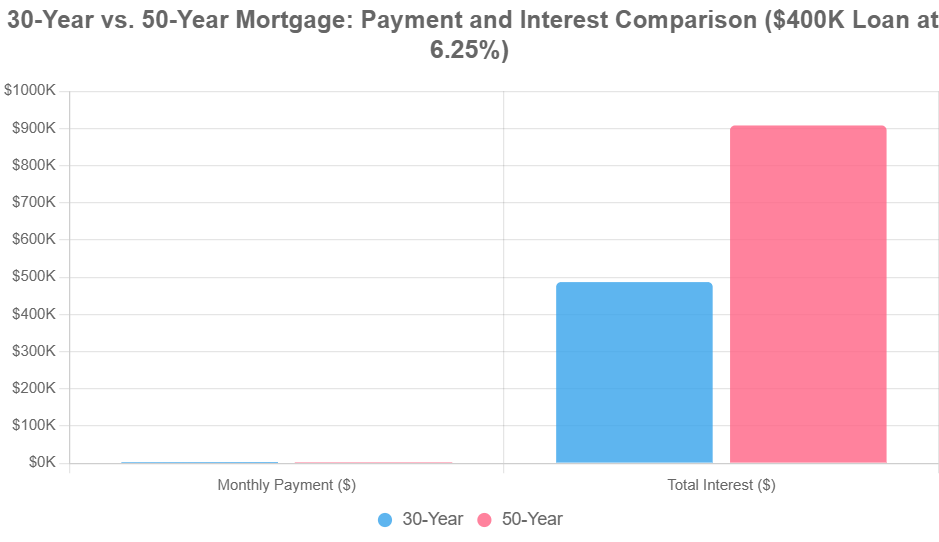
The 50-Year Mortgage: A Lifeline for Affordability or a Long-Term Burden?

In the ever-evolving landscape of the U.S. housing market, the idea of a 50-year mortgage has recently gained traction, especially followin...