Friday, October 31, 2025

New Maryland Real Estate Laws Effective October 1, 2025: What Buyers and Sellers Need to Know

As we navigate the ever-evolving real estate landscape in Maryland, new legislation is making waves by addressing the pressing need for more affordable and flexible housing. One standout law that took effect on October 1, 2025, is the Small Houses Act of 2025. This act, enacted through Senate Bill 891 and House Bill 1466, promotes the development of Accessory Dwelling Units (ADUs)—also known as small houses—on properties zoned for single-family homes. It's designed to boost housing availability and affordability, which is great news for both buyers and sellers in our state.

What Does the Small Houses Act Allow?

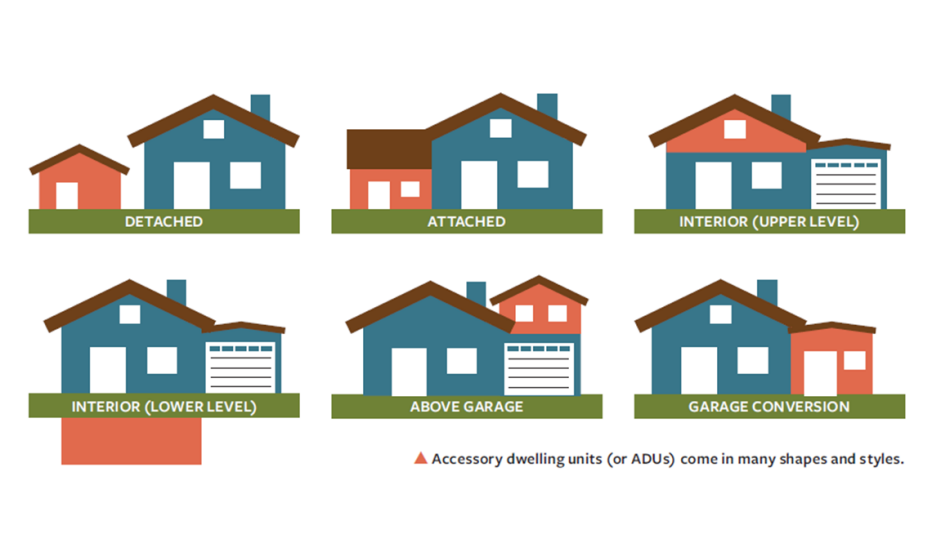
Under this new law, homeowners can add a secondary dwelling unit to their property. This could mean converting existing structures like garages or basements into livable spaces, or even building entirely new units. ADUs can be:

  • Detached: Standalone structures in the backyard.
  • Attached: Sharing at least one wall with the primary house.
  • Conversions: Transforming parts of the existing home, such as an above-garage apartment.

Importantly, these units must be on the same lot as the main single-family dwelling and cannot exceed 75% of the primary unit's size. This flexibility opens up creative ways to utilize space without needing to buy additional land.

To give you a better idea, here are some visual examples of what ADUs can look like:

Accessory Dwelling Units: What You Need to Know - The Warner ...

What Is an Accessory Dwelling Unit? Here's What to Know

Building an ADU | the City of Laguna Niguel Website!

Key Requirements and Timeline

The act establishes a statewide framework that prohibits local governments from imposing unreasonable restrictions on ADUs. Charter counties and Baltimore City must adopt their own laws by October 1, 2026, to authorize these developments while ensuring they meet public health, safety, and welfare standards. The permitting process is intended to be straightforward, making it easier for homeowners to get started without excessive red tape.

If you're considering adding an ADU, check with your local jurisdiction for specific zoning rules, building codes, and any required permits. It's also wise to consult a real estate professional or attorney to ensure compliance.

How This Impacts Buyers and Sellers

For buyers, this law means more opportunities to find properties with built-in flexibility. Imagine purchasing a home that already has an ADU for aging parents, adult children, or even as a rental to offset mortgage costs. It could make homeownership more attainable in a market where inventory is tight and prices are high.

For sellers, adding an ADU before listing can significantly enhance your property's value and appeal. It provides potential for passive income through renting, or simply offers multigenerational living options that many families seek today. In a competitive market, homes with ADUs stand out and may sell faster or at a premium.

Overall, the Small Houses Act is a step toward addressing Maryland's housing shortage by encouraging innovative use of existing properties. It promotes affordability without sprawling development, benefiting communities across the state.

Real Estate Terms 101 ~ Understanding Real Estate Lingo Is Important

Earnest Money Deposit: Commonly called EMD, this is a sum of money (typically 1-3% of the purchase price) that a buyer provides when making an offer on a home to show good faith in completing the transaction. If the deal closes, it's applied toward the down payment or closing costs. However, if the buyer backs out without a valid reason (as outlined in the contract contingencies), the seller may keep it as compensation for taking the property off the market. Understanding this term helps buyers budget wisely and sellers evaluate offer seriousness.


If I can be of any assistance to you or anyone your know, please know I am NEVER too busy for your referrals. I am here when you need me!


Contact me anytime!

Sean Tavalozzi ~ Maryland Realtor

The Old Father Group

Compass

Cell: 203-233-8445

Email: Sean.Tavalozzi@theoldfathergroup.com

Thursday, October 30, 2025

🚨 Why Is the Real Estate Market Stuck in Neutral? 🚨

In the world of investments, real estate has long been touted as a reliable hedge against inflation. As prices rise across the economy, property values historically climb too, preserving and often growing wealth in real terms. Yet, as we approach the end of 2025, the U.S. housing market tells a different story. Existing home sales are hovering near 25-year lows, with transactions barely scraping 4 million annually—a far cry from the 6 million-plus peaks of the early 2020s. Meanwhile, inflation ticks along at around 3%, and alternative assets like stocks and gold are booming. So, why aren't more homeowners cashing in, and why are buyers staying on the sidelines? This paradox isn't just a market quirk; it's a confluence of high mortgage rates, affordability barriers, and shifting demographics that's "freezing" the market in place. In this deep dive, we'll explore the roots of this stagnation, backed by the latest data, and what it means for the future.

Real Estate as an Inflation Hedge: The Traditional Wisdom

For decades, real estate has been a go-to strategy for beating inflation. Unlike cash or bonds, which can erode in value as prices rise, properties tend to appreciate alongside or ahead of inflation rates. Historically, during high-inflation periods like the 1970s, home values surged, providing owners with built-in protection. Even in 2025, with inflation moderating to about 3%, experts still argue that real estate outperforms gold in liquidity-constrained environments, as rental income and property appreciation can outpace rising costs.

But here's the catch: this hedge assumes a fluid market where buyers and sellers can transact easily. In today's reality, that's not happening. Home price gains are lagging behind inflation for the first time in years, meaning homeowners are effectively losing real wealth if they hold onto properties without selling. In inflation-adjusted terms, equity erosion is occurring as maintenance costs, taxes, and other expenses climb faster than values in many regions. This challenges the narrative that real estate is always a safe bet—especially when sales volumes are so depressed that liquidity dries up.

A Snapshot of the Sluggish Market: Sales at Historic Lows

Let's look at the numbers. As of September 2025, existing home sales rose modestly by 1.5% month-over-month to an annualized rate of 4.06 million—the highest in seven months, but still near 30-year lows. Zillow's forecast pegs full-year sales at around 4.07 million, a mere 0.3% uptick from 2024. Inventory is up 14% year-over-year, with over 1 million homes listed nationwide, yet median prices have dipped slightly to $400,000 as gains slow.

This stagnation contrasts sharply with the post-pandemic boom. From 2020 to 2022, sales surged as low rates fueled demand. Now, with rates above 6%, the market is in a "deep freeze." Buyers face affordability hurdles, while sellers hesitate, creating a vicious cycle. Even as the Federal Reserve cuts rates, the thaw is slow—monthly principal and interest payments are up 2.9% year-over-year.

To visualize this trend, consider the decline in pending home sales contracts over recent years:

Why the housing market is actually much healthier in 2025

This chart highlights how pending contracts peaked in 2021 and have trended downward, underscoring the market's reluctance to move.

The Mortgage Rate Lock-In Effect: Golden Handcuffs for Homeowners

One of the primary culprits is the "lock-in effect." Over half of U.S. homeowners hold mortgages with rates below 4%, locked in during the low-rate era of 2020-2021. Selling now means facing rates around 6.25%-6.5%, which could double monthly payments on a new home. A Bankrate survey reveals 54% of homeowners wouldn't sell at any rate in 2025, up from previous years.

The Federal Housing Finance Agency estimates this has prevented 1.72 million sales from 2022-2024 alone. It's not just about payments; high equity (from past appreciation) makes owners comfortable staying put, even as inflation nibbles at real gains. As one analyst notes, even a 0% rate wouldn't make homes affordable in some markets due to price levels.

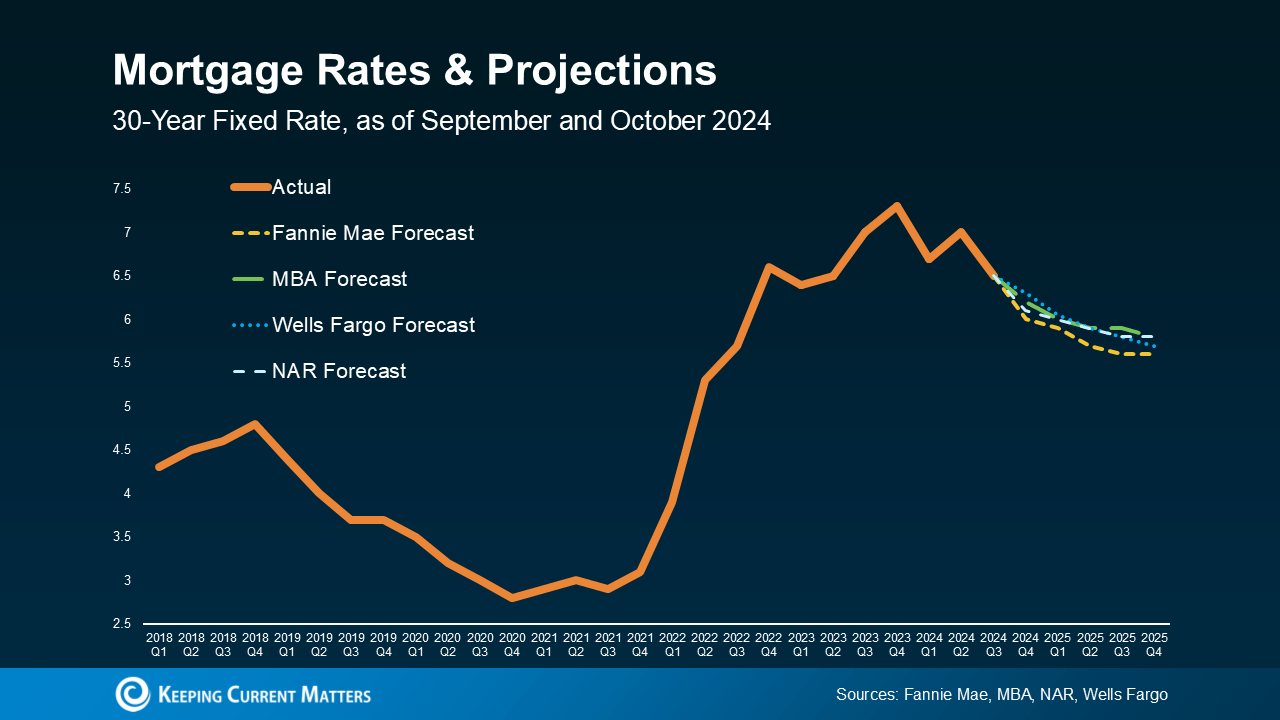
Projections show rates easing further, but not dramatically. Forecasts from Fannie Mae, MBA, NAR, and Wells Fargo predict 30-year fixed rates dipping to 5.5%-6% by Q4 2025.

What To Expect from Mortgage Rates and Home Prices in 2025 ...

Yet, this gradual decline may not unlock enough supply to revive sales volumes significantly.

The Affordability Crunch: Prices Outpacing Wages

Affordability remains a massive barrier. Home prices have risen faster than wages for years, requiring buyers to earn 70% more income for a median home than six years ago. In real terms, prices are weakening—gains are below the 3% inflation rate in many areas, leading to effective declines. The FHFA House Price Index rose just 0.4% in August 2025, signaling stabilization rather than growth.

This crunch sidelines first-time buyers, with more purchases by those over 70 than under 35. Cash buys are up—one in three homes sold in early 2025 were all-cash—favoring investors over average families. In high-cost areas, even declining rates don't help; a Zillow analyst quips that affordability is so strained, rates would need to plummet unrealistically.

Here's a look at year-over-year changes in median sale prices, showing the volatility and recent slowdown:

The Hottest Real Estate Markets [2025 Edition]

Inventory Shifts and Regional Disparities

Inventory is rising—up 14% nationally—but it's uneven. In Florida, prices are declining due to oversupply, while San Francisco remains hot with tight stock. Homes linger on the market longer, with price reductions common in California. This "buyer's market" in some regions contrasts with the overall freeze, as economic uncertainty (like job market fears) keeps demand low.

Demographics play a role too: Aging populations in the Northeast are holding onto homes, while suburban shifts from remote work add complexity.

Broader Economic and Policy Influences

Beyond rates and prices, federal policies have exacerbated the lock-in. Low-rate mortgages from the pandemic era, backed by government programs, have inadvertently locked owners in. Inflation's impact on appraisals and upkeep costs adds pressure, especially if rates stay elevated. Turbulent inflation can strain tenants, leading to defaults and disrupting rental income—a key hedge component.

Post-election policies could shift things, but for now, the market's "frozen" state is expected to persist into 2026, with flat sales and potential builder bankruptcies.

Implications for Buyers, Sellers, and Investors

For buyers, this could mean opportunities: More inventory and softening prices in select markets offer negotiation power. Sellers might need to get creative with concessions or wait for rates to drop further. Investors, meanwhile, see value in rentals or flips, but liquidity risks loom.

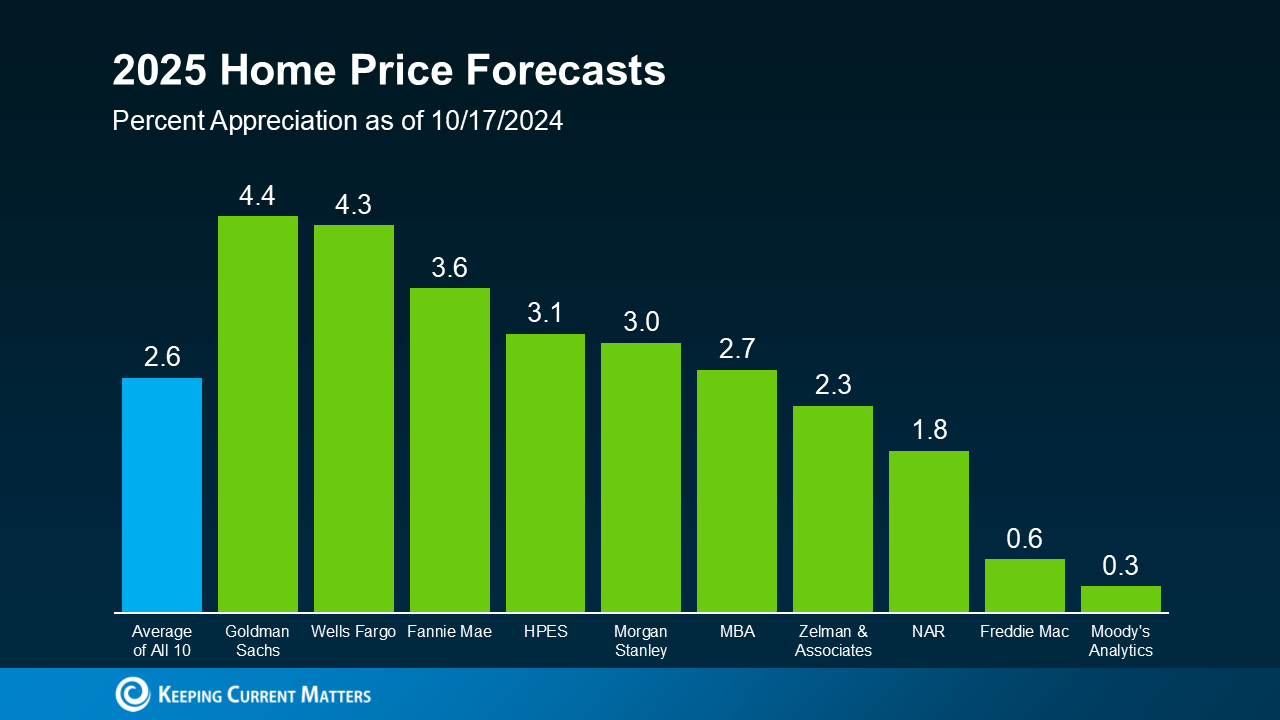
Looking ahead, 2025 home price forecasts average 2.6% appreciation, with some predicting as low as 0.3%.

What To Expect from Mortgage Rates and Home Prices in 2025 ...

If rates fall to 5.5%, sales could rebound to 4.5 million in 2026.

Conclusion: Thawing the Freeze – What Lies Ahead?

The 2025 housing market's lag isn't a rejection of real estate as an inflation hedge—it's a symptom of transitional pains. The lock-in effect, affordability woes, and economic headwinds have created a standoff, but as rates ease and inventory builds, a gradual thaw seems likely. For now, patience is key. Whether you're buying, selling, or investing, staying informed on these dynamics will help navigate this frozen landscape. As always, consult professionals for personalized advice, and keep an eye on upcoming data releases like NAR's October sales report on November 19. The market may be stuck, but history shows it won't stay that way forever.
Thursday, October 23, 2025

πŸš€ Why Getting Pre-Approved for a Loan Is a Smart Move


When you're gearing up to make a big purchase—like a home, a car, or even starting a business—securing financing is often a critical step. One of the smartest moves you can make is getting pre-approved for a loan. Pre-approval isn’t just a formality; it’s a strategic tool that can save you time, money, and stress. Here’s why getting pre-approved should be at the top of your to-do list.

πŸ’ͺ 1. Know Your Budget with Confidence

Pre-approval gives you a clear picture of how much you can borrow based on your financial situation, including your income, credit score, and debt-to-income ratio. When a lender pre-approves you, they provide a specific loan amount or range, which helps you set realistic expectations. For example, if you’re house hunting, pre-approval ensures you’re only looking at properties within your financial reach, preventing the heartbreak of falling in love with a home you can’t afford.

Without pre-approval, you’re essentially guessing what you can afford, which can lead to wasted time or disappointment. Knowing your budget upfront empowers you to shop confidently and focus on options that align with your financial reality.

🀝 2. Strengthen Your Negotiating Power

In competitive markets, like real estate, pre-approval can give you a significant edge. Sellers and dealers prefer working with buyers who are pre-approved because it signals that you’re a serious, qualified candidate. For instance, when buying a home, a pre-approval letter shows the seller that your financing is already vetted, reducing the risk of the deal falling through due to loan issues.

This can be a game-changer in bidding wars. A pre-approved buyer often stands out over someone who hasn’t taken this step, as it demonstrates preparedness and reliability. In some cases, sellers may even accept a slightly lower offer from a pre-approved buyer over a higher one from someone whose financing is uncertain.

3. Save Time and Streamline the Process

Getting pre-approved means the lender has already done much of the legwork—verifying your income, checking your credit, and assessing your financial health. This upfront work can significantly speed up the loan approval process once you’re ready to move forward. For example, in the home-buying process, pre-approval can shave days or even weeks off the time it takes to close the deal.

Additionally, pre-approval helps you avoid wasting time on properties or purchases that are out of reach. Instead of browsing endlessly or applying for loans reactively, you can focus your energy on options that fit your pre-approved loan amount.

πŸ› ️ 4. Identify and Fix Financial Issues Early

The pre-approval process involves a thorough review of your financial history, which can uncover potential red flags—like errors on your credit report or a high debt-to-income ratio—that could hinder your loan approval later. Discovering these issues early gives you time to address them before you’re in the middle of a high-stakes purchase.

For example, if your credit score is lower than expected, you can take steps to improve it, such as paying down debt or disputing inaccuracies on your credit report. By resolving these issues upfront, you increase your chances of securing better loan terms and avoiding last-minute surprises.

😌 5. Reduce Stress and Uncertainty

Big purchases come with enough stress without the added worry of whether you’ll qualify for a loan. Pre-approval removes much of that uncertainty by giving you a clear understanding of your borrowing power. It’s like having a financial safety net—you know where you stand before you start making offers or signing contracts.

This peace of mind is especially valuable in fast-paced markets or when you’re making a time-sensitive purchase. Instead of wondering whether your loan will come through, you can focus on finding the right home, car, or investment opportunity.

πŸ“‹ How to Get Pre-Approved

Getting pre-approved is straightforward but requires some preparation. Here’s a quick guide:

  1. Gather Your Documents: Lenders typically ask for proof of income (pay stubs, tax returns), bank statements, and identification. Having these ready speeds up the process.
  2. Check Your Credit: Review your credit report for errors and take steps to improve your score if needed.
  3. Shop Around: Contact multiple lenders to compare pre-approval offers. Each lender may have different criteria and terms.
  4. Submit Your Application: Provide the required documents and information to the lender. They’ll review your finances and issue a pre-approval letter if you qualify.
  5. Understand the Terms: Pre-approval letters often come with an expiration date (e.g., 60–90 days), so plan your purchase accordingly.

🎯 Final Thoughts

Getting pre-approved for a loan is like laying a strong foundation before building a house—it sets you up for success and minimizes risks. Whether you’re buying a home, a car, or funding a business venture, pre-approval gives you clarity, credibility, and confidence. It’s a small step that can make a big difference in your financial journey.

So, before you start shopping, take the time to get pre-approved. It’s an investment in your peace of mind and a smarter way to approach one of life’s biggest decisions.


Sean Tavalozzi ~ Maryland Realtor

The Old Father Group

Compass

Cell: 203-233-8445

Email: Sean.Tavalozzi@theoldfathergroup.com

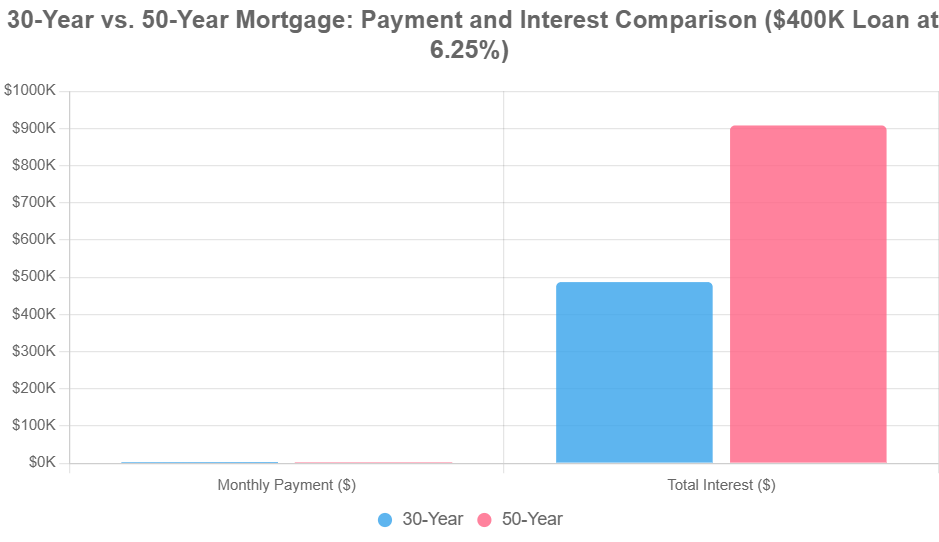
The 50-Year Mortgage: A Lifeline for Affordability or a Long-Term Burden?

In the ever-evolving landscape of the U.S. housing market, the idea of a 50-year mortgage has recently gained traction, especially followin...